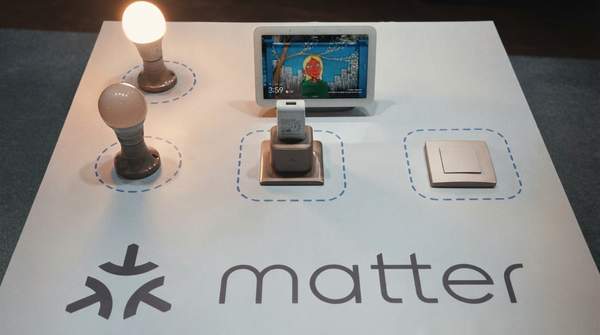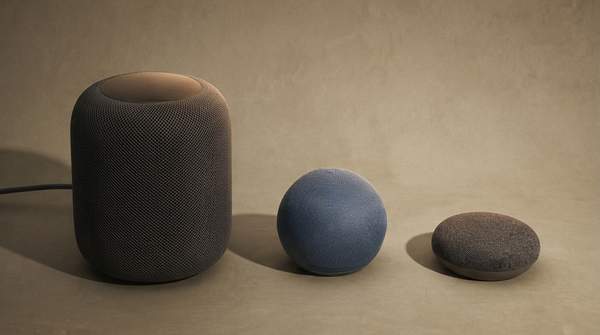
An "AI gadget" is a consumer hardware device whose core value comes from artificial intelligence — not a screen, sensor or app, but the ability of the device to process language, learn from data and act on your behalf. Apple, Amazon and Microsoft all announced new devices in a single week in October 2026 aimed at bringing generative AI into the home, according to reporting by CNBC's Kif Leswing, Annie Palmer and Jordan Novet. But the category is broader than smart speakers: it spans wearable recorders, health monitors, AI-upgraded PCs and phones, and handheld agents like Meta's Muse Charm. This guide defines the category, explains the technology behind it, and offers a framework for judging whether a device delivers real utility or just marketing.
What Defines an 'AI Gadget'?
The distinction between an ordinary smart device and an AI gadget comes down to the depth of AI integration. Market analysis from Statista describes AI as "the brains powering the next generation of consumer technology" — not a feature bolted onto a product, but the mechanism that defines what the product does. An AI smartphone that redefines photography, communication and real-time language translation is a different class of device from a phone that merely runs apps.
The current wave traces directly to the launch of ChatGPT in 2022, which CBS News reporter Mary Cunningham describes as spawning a range of "intelligent" consumer products, from bag charms and smart speakers to digital work badges. What separates these from earlier smart devices is generative capability: the ability to produce language, plans or actions rather than simply respond to preset commands. This distinction rests on the level of AI integration described in market analysis and general AI definitions, not on any industry-standard certification — no such official taxonomy exists for the category yet.
It is also an early-stage market. IDC analyst Jitesh Ubrani told CNBC that the current push is "really about getting devices into consumers' hands, into consumers' homes, slowly teaching them how to use it, and getting feedback from them." In other words, companies are using this generation of gadgets to lay groundwork for more aggressive launches in coming years, meaning buyers today are effectively early adopters.
Core AI Technologies Powering These Devices
Three technical concepts explain most of what these gadgets actually do. The first is on-device processing. CNBC's reporting notes that leading companies are touting "speedier on-device chips with AI capabilities" in laptops, tablets, phones and smart home computers. Running AI directly on the hardware, rather than entirely in the cloud, is what allows devices like AR smart glasses to deliver responsive, immersive experiences, as Statista's analysis of on-device intelligence notes.
The second is the AI agent. Unlike a voice assistant that answers questions, an agent performs multi-step tasks on your behalf. Reporting by Mashable's Olivia Tauber documents users of Meta's Muse AI delegating real errands to it: one traveler says it secured a $250 credit after a flight delay, and another had it wait on hold and call them back once a human representative was available. That shift from answering to acting is the functional signature of the newest gadgets.
The third is limited memory AI. Coursera's educational material on artificial intelligence explains that limited memory machines "possess a limited understanding of past events" and can interact with the world around them, though they cannot form a complete understanding of it — the same principle that lets a self-driving car observe approaching vehicles and adjust speed. Consumer gadgets use this kind of AI to respond to their environment and recent context, which is why they can personalize behavior without genuinely understanding the world.
AI Gadget Functional Categories
Classifying the current landscape by primary AI function — rather than by brand or form factor — makes the market legible. The table below sorts the devices named in current industry reporting and trade-group material into five functional categories, so you can identify which type matches a need you actually have.
| AI Function Category | Core Task | Example Gadgets |
|---|---|---|
| Personal Agents | Automate tasks and provide personalized, multi-step assistance | Meta Muse Charm; AI-upgraded Siri |
| Specialized Recorders | Capture, process and organize information from the user's environment | Plaud NotePin (wearable meeting recorder and transcriber) |
| Smart Home Controllers | Automate and control home systems with personalized voice assistance | Apple HomeView with Siri; Amazon Alexa+; Tuya-connected devices |
| Health Monitors | Manage health information, screen for conditions and coordinate care | OMRON home blood pressure monitors with AI irregular-rhythm screening; TrackHealthAI; Humetrix |
| Enhanced Core Devices | Add AI-driven productivity, imaging and translation to familiar hardware | AI PCs; AI smartphones; AR smart glasses |
Two categories deserve a closer look because they illustrate the range of maturity. The Consumer Technology Association's industry material on AI use cases describes health devices with concrete, verifiable functions: OMRON Healthcare uses AI-powered screening in home blood pressure monitors to help identify possible irregular heart rhythms during routine checks, while TrackHealthAI helps families manage appointments and follow-ups across care providers. A peer-reviewed taxonomy of 1,016 FDA-authorized medical devices, published in 2025, confirms that quantitative imaging dominates AI medical device authorizations — evidence that AI in health hardware is regulated and established, not experimental.
By contrast, the personal-agent category is the newest and least proven. The Muse examples reported by Mashable — flight credits, hold times handled — are individual user accounts rather than verified benchmarks, and the devices themselves only reached the market in late 2026. Treat that category's promise as promising but anecdotal.
Key Considerations Before Buying an AI Gadget
Because the market is young, the burden of evaluation falls on the buyer. Three questions matter most.
What does the AI actually do? Insist on a specific, nameable function — transcribing meetings, screening for irregular rhythms, translating in real time — rather than a general promise that a device is "intelligent." Cunningham's CBS reporting notes companies say these products will make lives easier; the specific function is what you can test.
What happens to your data? These devices record your environment, your health and your conversations. The FTC has organized its technology work around the layers of the AI stack — hardware, data and models, and consumer-facing applications — and has pursued enforcement on unlawful collection and use of consumer data in connected products. A gadget that listens, records or monitors continuously deserves a clear answer on where that data goes before purchase.
Is it utility or novelty — and are you ready for the learning curve? CNBC's reporting identifies real headwinds: the weakest consumer sentiment data in twelve years, growing fears about AI safety risks, and "a learning curve that comes with the new technology." A device that requires you to change your habits substantially may still be worth it, but only if the function solves a recurring problem rather than demonstrating a capability once.
Making an Informed Decision on AI Gadgets
Consumers should evaluate AI gadgets based on their clearly defined core AI function, assess their real-world utility beyond marketing claims, and consider potential data privacy implications. The health-monitoring category shows what mature looks like: regulated, specific, testable functions. The agent category shows what early looks like: enthusiastic anecdotal reports and a strategic bet by manufacturers who, as Ubrani told CNBC, are still teaching consumers how to use these devices and gathering feedback.
The measurable indicator of a sound purchase decision is a consumer's ability to articulate the specific AI function and practical benefit of a gadget, alongside its data handling practices, before purchase. If you can state in one sentence what the device does, what problem it removes from your week, and where its recordings go, you have evaluated it as a product. If you cannot, the "AI" on the box is doing the work the device should be doing.
Sources
- Tech giants race to get AI gadgets on shelves for holiday rush — CNBC
- Topic: AI in consumer technology — Statista
- Ready or not, here come the AI gadgets, from "charms" to smart speakers — CBS News
- 10 ways people are using Meta’s Muse AI app — Mashable
- What Is Artificial Intelligence? Definition, Uses, and Types — Coursera
- Artificial Intelligence — CTA