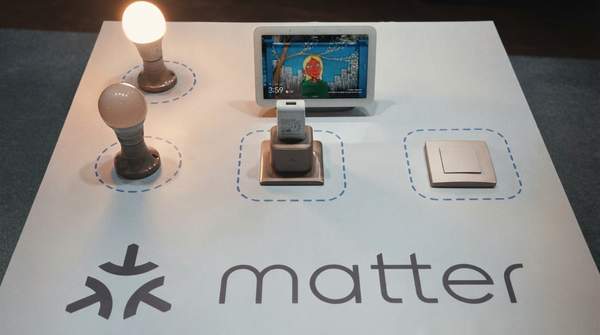
For anyone building a smart home, the terms Matter and Thread have become unavoidable, often appearing together on product packaging and in reviews. While frequently mentioned in the same breath, they are not competing technologies. Instead, they are complementary standards designed to solve two of the biggest historical frustrations with connected devices: lack of interoperability and unreliable connections. Matter serves as the universal language that allows devices from different brands to understand each other, while Thread provides a robust and efficient local network for them to communicate over.
Matter: The Universal Language of Smart Homes
Matter is an open application layer standard that dictates how smart home devices communicate. Think of it as a universal translator for your gadgets. In the past, a smart lightbulb from one company might not have been able to "talk" to a smart switch from another without a complex series of hubs and third-party apps. Matter aims to eliminate this problem by creating a common language that all certified devices can speak. According to industry sources, this allows products to work together seamlessly across major smart home platforms like Amazon Alexa, Apple Home, Google Home, and Samsung SmartThings.
This standard operates on top of existing network technologies. As an application layer, Matter doesn't handle the physical transmission of data itself. Instead, it provides the command structure and vocabulary. When you tell your smart speaker to turn on a light, Matter is what formats that command into a universal instruction that the lightbulb can understand, regardless of the manufacturer of either device.
Thread: The Reliable Delivery Network
If Matter is the language, Thread is the delivery service. Thread is a low-power, IP-based mesh networking protocol designed specifically for smart home devices. It serves as an alternative to Wi-Fi, which can be power-hungry and less efficient for the small, frequent data packets sent by devices like sensors, smart locks, and lightbulbs. As described by technology publication WIRED, Thread is a low-latency and low-bandwidth network that allows these small gadgets to connect and share data efficiently.
Unlike a traditional Wi-Fi network where every device connects directly to a central router, a Thread network creates a mesh. In this setup, devices can communicate directly with each other. This structure creates multiple redundant paths for data, so if one device goes offline, the signal can simply be rerouted through another nearby device. This "self-healing" capability makes the network more resilient and reliable than systems that rely on a single hub.
Matter and Thread: A Layered Smart Home Command Flow
To understand how these two technologies create a better smart home experience, it helps to trace the path of a single command. The key is to see them as distinct layers working in concert: Matter defines what is being said, while Thread determines how the message is delivered.
This framework illustrates the process:
- User Action: You use your preferred smart home app on your phone (which is on your Wi-Fi network) to issue a command, such as "Dim the smart bulb to 50%."
- Application Layer (Matter): The app or smart speaker translates your request into a standardized Matter command. This command is universal, meaning the smart bulb will understand it regardless of its brand, as long as it is Matter-certified.
- Network Layer (Thread): The Matter command is then passed to the network for delivery. For a low-power device like a smart bulb, the system will likely use Thread. The command travels from your home's network hub—a Thread Border Router—across the Thread mesh network, hopping between other Thread-enabled devices if necessary to reach its destination.
- Device Response: The smart bulb receives the command via its Thread radio. Because the command is in the Matter "language," the bulb understands the instruction and dims its light to 50%. The entire process happens locally and almost instantly.
Matter can also run over Wi-Fi and Ethernet, which are typically chosen for high-bandwidth devices like security cameras. However, for the majority of smaller, battery-powered smart home sensors and accessories, the combination of Matter's universal language and Thread's efficient network provides the most reliable and responsive performance.
Tangible Benefits for Your Smart Home
The combination of Matter and Thread translates into practical, everyday improvements. A key advantage is enhanced reliability. Because Thread creates a self-healing mesh network, the failure of a single device, like a smart plug, won't bring down other devices, as data is simply relayed through the next available gadget. This eliminates the single point of failure common in older hub-and-spoke systems.
Performance also sees a significant boost. By operating locally without needing to contact a cloud server for every command, response times are much faster. As the technology site Homey notes, this means lights turn on instantly and your smart home continues to function smoothly even if your internet connection goes down. Furthermore, setup is simplified. The Thread Group, an industry consortium, explains that because Thread devices can connect through a border router from any manufacturer, consumers no longer need to worry about buying brand-specific hubs to ensure compatibility.
The Essential Piece: Your Thread Border Router
To build a Thread network, you need one crucial piece of hardware: a Thread Border Router. This device acts as a bridge, connecting your low-power Thread mesh network to your other IP-based networks, like Wi-Fi and Ethernet. This connection is what allows your smartphone on Wi-Fi to control a lightbulb on Thread. It also enables Thread devices to connect to the internet for firmware updates or other functions when needed.
The good news is that you may already own one. Unlike the proprietary hubs of the past, Thread Border Routers are now commonly built into devices many people already have in their homes. According to the Thread Group, these include many popular smart speakers and displays, modern Wi-Fi routers, set-top boxes, and even some TVs and appliances. Having just one of these devices on your network is enough to start building a Thread mesh, and adding more Thread-enabled products will naturally strengthen the network's reach and reliability.
Making Informed Smart Home Purchases
When investing in new smart home devices, prioritize those that support Matter to ensure they can communicate with the widest range of products and platforms. To create the most responsive and reliable foundation for these devices, look for a product that can act as a Thread Border Router, or confirm that one of your existing smart speakers or routers already includes this capability. The ultimate goal is a connected home that is simple, fast, and dependable.
The measurable indicator of a successful Matter-over-Thread network is when new devices seamlessly integrate into your existing smart home ecosystem and respond quickly, even if from different brands, confirming the presence of a robust and truly interoperable system.