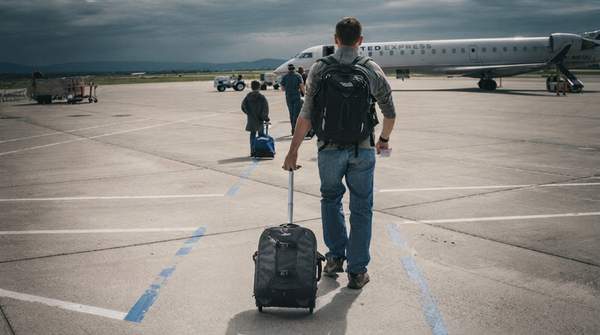
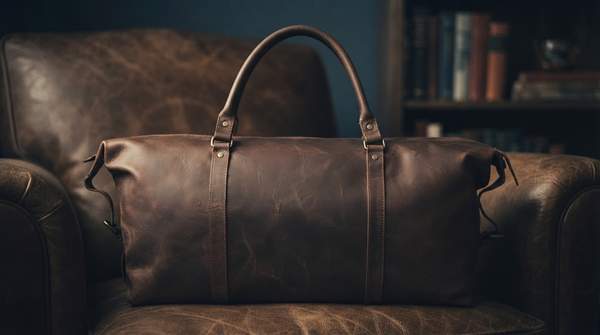
The single most consequential packing decision happens before you fold a single shirt: whether your carry-on is a travel backpack or a wheeled roller. Choose the wrong one for your itinerary and every cobblestone, staircase, and security line becomes a small negotiation. Choose the right one, pair it with compression packing cubes and a mix-and-match wardrobe, and a week's travel fits into a bag you can lift overhead without a second thought.
Introduction: The Freedom of Packing Light
Light travel is less a logistics exercise than a philosophy of subtraction. The 5 Kilo Traveller, a blog devoted to carry-on-only journeys, frames it as liberation rather than deprivation: "Travelling light isn't just about saving space in your bag—it's about the freedom it gives you on the road." The author describes breezing through customs while other passengers wait at the carousel, and finding that a small bag simplifies dressing decisions and dissolves decision fatigue.
That freedom has a practical architecture. Gear reviewers and long-haul travelers converge on three pillars: a bag suited to your itinerary, organizational tools that squeeze air and chaos out of your packing, and a wardrobe planned as a system rather than a pile. Skip the first pillar and the other two cannot rescue you—an oversized bag invites overpacking all by itself, a trap the Indie Traveller's author says he watches backpackers fall into constantly with 70- and 80-liter packs.
Choosing Your Carry-On: Backpack vs. Roller
The debate is older than the spinner wheel, and the honest answer is that neither side wins outright. John Pangilinan, writing for the bag-review site Carryology, puts it plainly: anyone who has wrestled a roller across cobblestones, or pulled a creased shirt from a backpack before a meeting, knows the choice matters. Zachary Friedman of Where The Road Forks, after twelve years of near-constant travel, now selects luggage trip by trip rather than swearing allegiance to either format.
The trade-offs cluster around terrain and clothing. David Lin, writing for the luggage brand Traveler's Choice, reduces it to one sentence: a backpack is better for stairs, transit, and weight limits; a carry-on suitcase is better for rolling comfort, shape, and wrinkle control. He also flags a number worth memorizing before any airline with a strict cabin policy: many carry-on suitcases weigh 4.5 to 8+ pounds empty, while some airlines cap cabin bags at 11 pounds—so the bag itself can consume most of your allowance before you pack anything.
Capacity is less of a constraint than travelers fear. The Indie Traveller's author, who reports circling the globe for two years with only a carry-on, notes that 35 to 40 liters is typically carry-on compliant and sufficient for most trips—though he concedes a long journey through multiple climates demanding winter gear may exceed it. He favors lightweight bags specifically, citing his Osprey Farpoint 40 at roughly 3.5 pounds, about a pound lighter than many elaborate alternatives.