The best garment bag is not a product but a category. If you are carrying a structured suit to a critical meeting, a traditional bi-fold or tri-fold bag, which folds your clothes the least, is the safest home for tailored wool. If you are packing a dress alongside shoes and toiletries for a weekend wedding, a garment duffel hybrid lets you merge formalwear with the rest of your luggage. And if space is the enemy, a slim garment sleeve slips a single protected garment inside a carry-on you already own. The choice hinges on one central trade-off: every fold you add to a garment invites a crease, and every compartment you add to a bag adds bulk.
Understanding Garment Bag Types for Travel
Three archetypes dominate the category. Pack Hacker's guide to wrinkle-resistant travel draws the essential distinction: garment bags are typically larger than garment duffels, which means fewer folds and less wrinkling when packed properly, while garment duffels are smaller and often double as carry-ons, making them more convenient for travel. A third option, the slim garment sleeve, trades capacity for portability, protecting one or two garments rather than a full wardrobe. A fourth format, the garment folder, exists but is not designed for full suits, which rules it out for most formalwear travelers.
Condé Nast Traveler's editors treat these categories as interchangeable tools for different jobs rather than rivals, reaching for a sleeve when space is tight and a rolling bag when the wardrobe expands. The framework below follows that logic: match the bag's architecture to the garment's fragility and the trip's shape, not to a brand's marketing.
Traditional Bi-fold/Tri-fold Garment Bags: Maximum Wrinkle Protection
The traditional garment bag is the conservative choice, built around a simple principle: the less you fold a garment, the better it arrives. Because these bags are typically larger than duffel-style alternatives, they allow garments to lie flatter and longer, with fewer crease points. That makes them the natural companion for structured clothing, where a pressed crease in the wrong place can undo an hour of grooming.
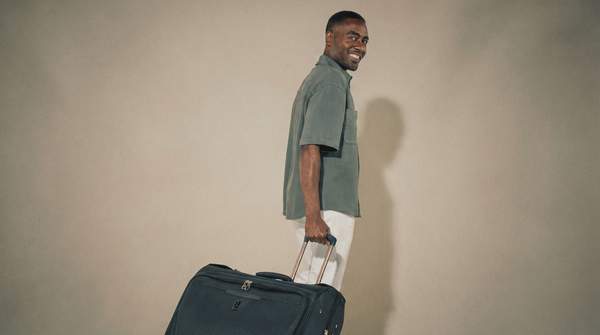
Capacity within this category varies more than most shoppers expect. Travelpro's own lineup illustrates the range: its carry-on rolling garment bags measure around 15.5 by 22.25 by 9.5 inches and hold roughly 46 liters, while its checked rolling garment bags measure 24 by 24.25 by 10.5 inches and hold 95 liters. The manufacturer's guidance for suits is refreshingly pragmatic: choose the size by how much you hang, then the fabric. In other words, let the quantity of garments dictate the bag before anything else.
Garment Duffel Hybrids: Balancing Protection and Capacity
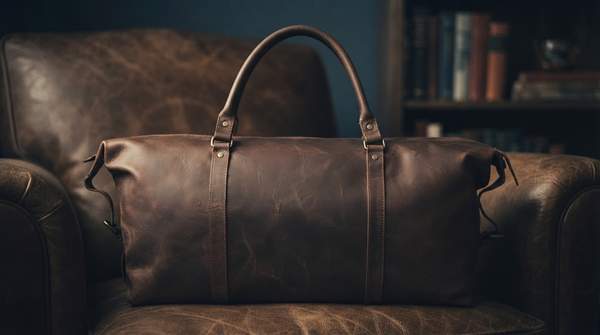
The duffel hybrid is the compromiser of the group. It carries a garment section that folds into a duffel shape, wrapping formalwear around a soft shell of other belongings. The appeal is obvious for the traveler who wants one bag to do everything: Pack Hacker notes that these bags often include dedicated pockets for shoes and space for other items within the duffel compartment, and many feature a luggage sleeve that slips over the handle of a rolling suitcase, so the hybrid rides along rather than demanding its own hand.
But the convenience has a cost, and it is worth stating plainly. Wirecutter's testing of the popular duffel-style format found that folding delicate or tailored clothes into a burrito shell around other, possibly heavier items does not usually keep them wrinkle-free, with mixed results in testing. The hybrid buys versatility at the price of pressing your suit into intimate contact with your sneakers.
Slim Garment Sleeves: Lightweight and Convenient
The sleeve is the minimalist's answer. Condé Nast Traveler editor Meaghan Kenny describes using a slim, lightweight garment sleeve when packing space in her suitcase is limited but she still wants a special dress protected: it holds three pieces of clothing and folds down into the shape of a briefcase to fit neatly in a carry-on, and she reports it does a great job of preventing creases and wrinkles in transit. She recommends it for business travelers, wedding guests, or anyone short on space.
The sleeve's genius is that it disappears into luggage you already own. Its limitation is equally clear: it protects garments, it does not carry a trip's worth of belongings. It suits the traveler whose formalwear is one dress or one jacket, not a wardrobe.
The Trade-off: Wrinkle Prevention vs. Packing Capacity
Every garment bag design negotiates the same tension. Larger bags with fewer folds protect clothing better but surrender portability; smaller, more convenient bags compress garments into tighter quarters and accept some creasing as the price. Wirecutter's testing puts a fine point on the ceiling of what any bag can promise: your clothing will get creased, and even careful packing with forgiving fabrics cannot guarantee a perfectly smooth arrival.
This is why no single bag wins. The duffel hybrid's rolling, burrito-style compression maximizes what else you can bring; the traditional bag's generous, flat layout maximizes garment condition; the sleeve maximizes portability while protecting a small number of pieces. Choose which of those three maxima you need before you choose a brand.
Garment Bag Decision Framework
The matrix below maps the three archetypes against the dimensions that actually drive the purchase: how well each protects garments, how much else it carries, how easily it travels, and where it fits best.
| Bag Type | Wrinkle Prevention | Packing Capacity | Portability | Ideal Use Case |
|---|---|---|---|---|
| Traditional bi-fold/tri-fold | Highest of the three; larger bags mean fewer folds and less wrinkling when packed properly | Varies by model; rolling versions range from roughly 46 L carry-ons to 95 L checked bags | Heavier and bulkier; rolling versions add wheels | Business trips, destination weddings, and events where wrinkle-free transport of formal wear is critical |
| Garment duffel hybrid | Mixed; folding clothes around other items does not usually keep them wrinkle-free, per Wirecutter's testing | Highest versatility; dedicated shoe pockets and duffel space for other essentials | Often carry-on sized, with a luggage sleeve to stack on rolling luggage | Trips blending formalwear with regular clothing and gear |
| Slim garment sleeve | Good for a few garments; one editor reports excellent crease prevention in transit | Low; holds a few pieces of clothing, folds to briefcase shape | Highest; slips inside a carry-on you already own | Single suit or dress when packing space is limited |
Read the table as a routing question, not a ranking. A structured suit for a high-stakes meeting routes to the traditional bag; a dress plus shoes plus toiletries routes to the hybrid; one garment inside an already-packed suitcase routes to the sleeve.
Making Your Garment Bag Choice
Choose a garment bag type that prioritizes either maximum wrinkle prevention for structured garments or a balance of protection and capacity for versatile travel, based on your specific trip and clothing. If your garment is tailored and the occasion unforgiving, take the traditional bag and its minimal folds; if your formalwear shares the trip with everything else you own, accept the hybrid's mixed wrinkle record in exchange for its shoe pockets and stacking sleeve; if you need one garment protected inside a bag you already carry, take the sleeve.
The measurable indicator of success is simple: the traveler transports their formal wear with minimal wrinkles while accommodating other travel essentials as needed. Set expectations accordingly, because as Wirecutter's testing makes clear, no bag on the market guarantees a crease-free arrival, only a well-managed one.
Sources
- Best Garment Bag to Prevent Wrinkles During Travel — Pack Hacker
- The Best Garment Bags for Destination Weddings, Business Travel, and Special Events — Condé Nast Traveler
- Rolling Garment Bags for Travel — Travelpro
- Wedding Season Looms, and You Need a Garment Bag. Or Do You? — Wirecutter: Reviews for the Real World