The best pet technology is not the flashiest—it is the gadget that solves a problem you actually have. A GPS collar is transformative for an escape-prone hound and pointless for a lap cat who never leaves the sofa. We have organized the current crop of well-reviewed pet tech into five categories, each matched to a specific owner problem: safety and location tracking, health and activity monitoring, automated litter care, in-home monitoring, and the quieter question of whether a "smart" feature is worth paying for at all.
As the reviewers at Smart Bark put it, "pet tech has gone from a novelty to a genuine game-changer." The trick is choosing deliberately. This comparison draws on published reviews from CNET, Rebarkable, and Smart Bark rather than our own testing, so treat the product examples as well-researched starting points, not verdicts. Pricing and subscription figures change; confirm them with the manufacturer before buying.
Pet Tech Solutions at a Glance
The fastest way into this decision is to name your problem first, then shop the category. The table below matches common owner concerns to a technology category and a representative, reviewer-endorsed product.
| Product Category | Example Product | Primary Problem Solved | Key Feature | Ideal For |
|---|---|---|---|---|
| Safety & location tracking | Fi Series 3 GPS collar | Escape-prone dogs; pets in rural homes | GPS tracking with long battery life | Owners of hounds and escape artists |
| Health & activity monitoring | PitPat activity monitor | Tracking exercise, sleep, and rest patterns | Lightweight collar device syncing by Bluetooth | Owners assessing day-to-day dog health |
| Automated home care | Litter-Robot 5 | Manual litter box scooping | Self-cleaning smart litter box | Multi-cat households |
| Pet monitoring cameras | Tapo C250 smart camera | Checking on pets while away | 4K image, 360° spin, AI pet detection | Budget-conscious owners wanting camera basics |
Category 1: Safety and Location Tracking
If your dog is an escape artist, nothing else on this list matters as much as a GPS collar. Rebarkable's reviewer Ali Smith, who tested the Fi Series 3 through long-term daily use, calls it "the one piece of pet tech our household genuinely needs"—the device she would keep if forced to discard every other piece of dog technology. That is a strong endorsement from someone surrounded by gadgets, and it is grounded in her stated best-fit use cases: escape artists, hounds, and rural homes.
The Fi Series 3 is a hardware-focused product at heart, and the collar's battery life is reported to reach up to three months, though Rebarkable notes battery performance varies depending on how much the dog moves in and out of Wi-Fi coverage zones. That variability matters: a dog who roams beyond home Wi-Fi will drain the battery faster, so rural owners should factor real charging habits into their expectations. For a dog who bolts at the first open gate, though, a live location on your phone is the entire point—and this category delivers it.
Category 2: Health and Activity Monitoring
Activity monitors are best understood, as Smart Bark frames them, as "Fitbits for dogs." Mounted on the collar, they record movement alongside periods of sleep and rest, building a picture of your dog's daily activity. The UK company PitPat makes a tiny, lightweight device that tracks your dog's movements throughout the day and links to your phone by Bluetooth, so you can monitor sleep and exercise and see, on walks, just how far your dog has actually run compared with you.
Smart Bark is careful about what these devices can and cannot do: they "can't replace more traditional pet care" but are "a useful tool you can use to help assess your dog's health." That is exactly the right calibration. An activity tracker can reveal patterns—a restless night, a sudden drop in exercise—that are worth raising with a veterinarian, but the data is a conversation-starter, not a diagnosis. One important note for this article's scope: nothing here is veterinary advice, and any health data from a tracker should be discussed with a professional. PitPat also offers a GPS tracker, which carries a subscription.
Category 3: Automated Home Care and Convenience
Automated care gadgets answer a different question: not "is my pet safe?" but "can a machine absorb a chore I do every single day?" For cat owners, the clearest example is the self-cleaning litter box. CNET's Tyler Lacoma highlights Whisker's Litter-Robot 5 as a significant upgrade over previous models and a strong option for households with multiple cats—noting in his testing that he never noticed a significant mess stuck to the top of the globe, a common complaint about earlier generations.
The same review is equally clear about who should not buy it: with only one cat, the $799 Litter-Robot 5 "might be overkill." Whisker's more affordable Litter-Robot Evo, designed for one- or two-cat households, costs $599, and the previously tested and liked Litter-Robot 4 remains on the market at a $649 discount. This tiered pricing is instructive for the whole category: automation scales with need, and paying for capacity you will not use is the most common pet tech mistake. For a busy multi-cat home, though, reclaiming the daily scooping routine is a genuine quality-of-life change.
Pet Cameras: Dedicated vs. Smart Home Options
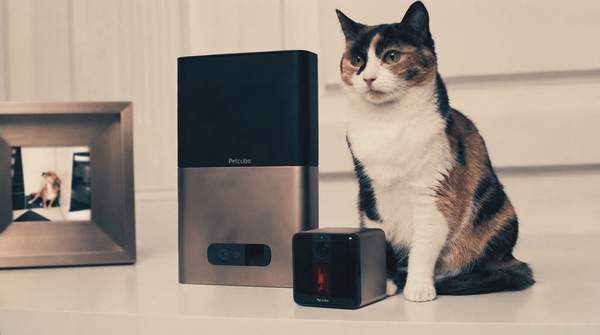
Cameras are the category where overspending is easiest. Dedicated pet cameras bundle treat launchers and pet-specific alerts at premium prices, but a general-purpose smart home camera can cover the essentials for far less. Smart Bark tested TP-Link's Tapo C250 at £59.99—sometimes discounted below that—and found it "costs a fraction of the Furbo 360°" while delivering a crisp 4K image, a full 360° horizontal spin and 114° of vertical tilt, so a mischievous dog has nowhere to hide.
The feature that elevates it from generic camera to genuine pet tool is intelligent detection: the C250 can distinguish your pet from a person, so you can enable pet detection and switch off person alerts when the camera is there purely for your pup. AI auto-tracking follows your dog around the room, zooming as they move. The trade-off is honest: you give up pet-specific extras like treat launching in exchange for a low price and a sharp picture. If your goal is simply seeing what your dog does while you are out, the affordable route wins. A dedicated pet camera makes sense only if its pet-specific features matter to you daily.
Understanding the True Cost: Subscriptions and Practical Use
The sticker price is rarely the whole cost. Trackers with live cellular location, GPS add-ons, and some smart-home integrations typically carry monthly or annual subscription fees, and those recurring charges determine whether a gadget stays useful or quietly becomes drawer clutter. PitPat's GPS tracker, for instance, requires a subscription—so an owner weighing it should price both the device and the ongoing plan before committing. Always verify current pricing with the manufacturer, since fees and tiers shift frequently.
Rebarkable offers a test worth applying to every purchase: "Always question every 'smart' feature before you pay for it." The reviewer's own examples—a built-in camera on a dog food feeder that is almost entirely redundant for most homes, versus a dedicated cellular backup on a temperature monitor that adds meaningful safety redundancy—show the principle in action. A smart feature earns its premium only when it addresses your actual routine or a real risk to your pet.
Making the Smart Choice for Your Pet
Choose pet tech that directly solves a specific problem for your pet or lifestyle, considering both initial cost and ongoing subscription fees. Name the problem first—an escape-prone dog, a health pattern worth watching, a daily chore worth automating, a workday spent wondering—and let that problem pick the category. Skip the features that do not map onto your life, and be skeptical of anything whose main selling point is simply being smart. Note that this article is a synthesis of published reviews rather than our own hands-on testing, and it deliberately excludes entertainment gadgets like automatic ball launchers and interactive toys.
The measurable indicator of a good choice is simple: the chosen gadget is consistently used and provides tangible benefits, such as peace of mind from tracking or reduced daily chores, without becoming an unused device. If a month in, the collar is charged and worn, the monitor's data has prompted a useful conversation with your vet, or the litter box has genuinely replaced your scooping routine, the technology earned its place. If it is gathering dust beside the treats you forgot it dispenses, it did not—no matter how smart it claimed to be.