The right YETI for your trip comes down to one trade-off: maximum ice retention and toughness versus portability. YETI's own buying guides position its hard coolers—the Tundra and Roadie lines—as the choice for harsh conditions and long temperature retention, while its soft coolers and drinkware trade some of that performance for lighter, easier carrying. This guide compares the categories against each other so you can pick the right starting point for your activity, rather than wading through model-by-model specs.
Understanding YETI's Core Product Categories
YETI splits its cooling and hydration lineup into three broad families, each answering a different question about your trip. Hard coolers are rigid, insulated boxes built to hold temperature and survive rough treatment. Soft coolers are fabric-sided bags that prioritize carrying comfort over raw capacity. Insulated drinkware—Rambler bottles, jugs, and mugs—handles personal hydration rather than group food storage, and YETI also offers the non-insulated Yonder line for weight-critical uses.
YETI's hard cooler guide frames the choice around practical questions: where the cooler will live (a skiff, a truck bed, a seasonal cabin, a long-weekend campsite), whether you're in bear country, and what you're keeping cold. That framing matters because the categories genuinely serve different trips—a weekend camp for a small group needs very different capacity than a cooler used to pack out meat from a western hunt, as YETI itself notes.
Hard Coolers: Maximum Insulation and Durability for Extended Adventures
YETI describes the Tundra as its original cooler, created out of frustration with coolers that would "break, leak, and do a poor job keeping ice," and built to "stand up to the harshest conditions and retain temperatures for exceptional lengths of time." That positioning—toughness first, ice retention second—is the core pitch of the hard cooler category, and it's aimed at multi-day and demanding use: seasonal hunting, remote fishing, long weekends where the cooler stays parked at camp.
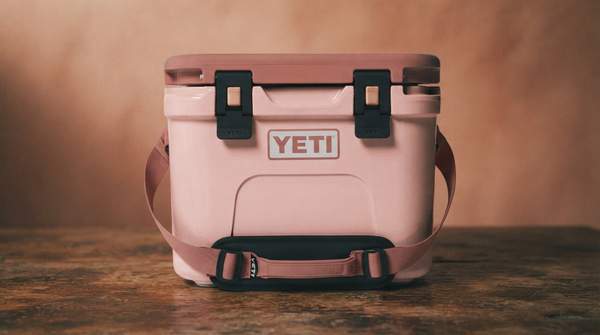
Independent testing supports the insulation claim for at least one model. CleverHiker's cooler testing found that a YETI Roadie kept ice intact for 10 days, took 11 days to reach 40 degrees Fahrenheit—the limit for safely storing food—and 12 days to reach 50 degrees. The same testing notes a construction nuance: unlike the rotomolded design typical of many YETI coolers, the Roadie uses pressure-injected polyurethane insulation, which keeps it lighter, and a freezer gasket in the lid creates a tight seal that enhances cold retention. The trade-off is structural—non-rotomolded coolers are typically not made as a single piece, creating seams that could weaken over time.
Size discipline matters too. YETI's guide warns that "more space isn't always better"—a cooler that's too large leaves excess air space, which decreases performance. Match capacity to the actual load, not to ambition.