Choosing food for a cat involves more than selecting a flavor your pet seems to enjoy. Age, lifestyle, body condition, health history, and feeding preferences all influence which product may be appropriate. With dry food, wet food, and formulas designed for different needs, understanding the labels can help cat owners shop with greater confidence.
Gordon Store serves pet owners in Costa Rica through an online catalog that includes cat food from brands such as Farmina, Purina, Hill’s, and Taste of the Wild. Its listings include products for adult cats, kittens, sterilized cats, and specific nutritional concerns. Knowing how to compare those options makes it easier to find a product suited to your cat and your household routine.
Choose Food for Your Cat’s Life Stage
Kittens grow rapidly and need food formulated for growth. Look for a label that clearly identifies the product as suitable for kittens or growth, and follow the feeding guidance for your cat’s age and weight. Adult cat food may not provide the intended nutritional balance for a growing kitten, so life-stage labeling matters.
Adult cats need a diet appropriate for maintaining health and body condition. Their needs vary with activity, lifestyle, and whether they have been sterilized. Monitor body condition and ask your veterinarian for guidance if weight changes.
Senior cats may develop different nutritional or medical needs as they age. Changes in appetite, thirst, weight, or litter-box habits deserve attention, particularly if they appear suddenly. A food labeled for a specific health concern should be chosen with veterinary advice rather than used as a substitute for an examination.
Gordon Store’s catalog includes Farmina kitten food, adult cat formulas, and products labeled for sterilized cats. These categories help shoppers start with the right life stage before comparing other details.
Understand Dry and Wet Food Options
Dry and wet cat foods each offer practical advantages, and the best choice depends on the individual cat and the complete feeding plan. Dry food is convenient to portion and store after opening when handled according to the package instructions. Wet food provides moisture as part of the meal and may appeal to cats that prefer its texture or aroma.
Some households use one format, while others combine both. Account for calories from each food so portions remain appropriate, and adjust with veterinary advice.
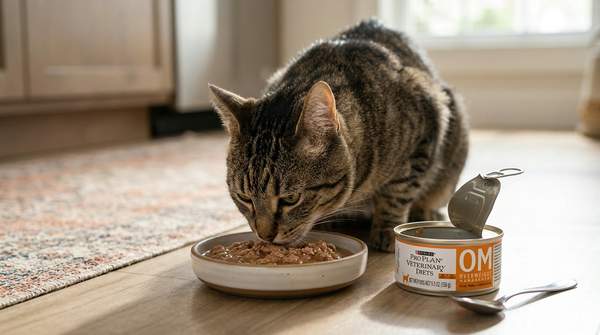
Gordon Store lists dry formulas as well as wet options from brands including Purina and Hill’s. Examples include Purina wet food labeled for weight control and Hill’s wet formulas identified for digestive care or kidney care. Those labels describe specific intended uses; products designed for a medical condition should be selected with a veterinarian, especially when a diagnosis is involved.
Read Ingredients and Nutritional Information Carefully
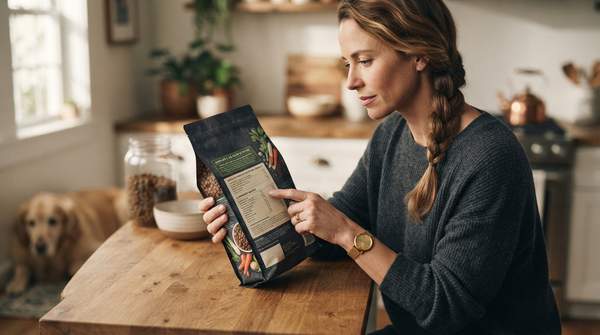
A product’s name or front-of-package claim tells only part of the story. Read the full label to check the intended life stage, feeding directions, ingredients, and nutritional information. Consider whether the product is complete for everyday feeding or intended for a more specific purpose. If you are uncertain how to interpret a label, ask your veterinarian to explain which factors matter for your cat.
Cats have specific nutritional requirements, so dog food is not an appropriate substitute for cat food. Likewise, a formula designed for one cat’s medical needs may not be suitable for another cat. Choosing a product based on a friend’s recommendation or a social media post can overlook important differences in age, health, and body condition.
Gordon Store lists a Farmina adult cat food made with chicken and pomegranate, along with other recipes and specialized formulas. Check the current product page for the exact ingredients and feeding details rather than assuming that every product in a brand’s range has the same composition.
Pay Attention to Weight and Feeding Routine
Maintaining a healthy body condition is an important part of everyday cat care. Measure meals instead of continually topping up the bowl, and take treats into account when considering total daily intake. The correct amount depends on the product’s calorie content and your cat’s individual needs, so package guidance is a starting point rather than a universal prescription.
If your cat is gaining or losing weight unexpectedly, consult a veterinarian before making a major diet change. Weight changes can have several causes, and a sudden restriction in food intake can be dangerous for cats. Cats that stop eating or show other concerning symptoms should receive prompt veterinary attention.
A consistent routine helps you notice changes in appetite or behavior and share useful information during a veterinary visit.
Consider Special Diets With Professional Guidance
Cat food catalogs may include products labeled for weight management, digestive care, kidney support, diabetes, or food sensitivities. These options can be relevant when a veterinarian has identified a specific need, but the wording on a package should not be treated as a diagnosis.
For example, Gordon Store lists Purina wet food for weight control, Hill’s digestive-care and kidney-care products, and Farmina formulas labeled for concerns such as obesity, renal support, and hypoallergenic feeding. These are distinct products intended for different purposes. Ask your veterinarian which nutritional approach is suitable before buying a therapeutic diet, and confirm that the exact product matches the recommendation.
If a cat has recurring vomiting, diarrhea, skin irritation, urinary changes, or unusual thirst, avoid repeatedly switching foods in an attempt to solve the problem. A veterinarian can assess possible causes and help determine whether a dietary change is appropriate.
Shop for Convenience Without Losing Sight of Fit
Once you know what type of food your cat needs, compare pack sizes, feeding instructions, storage requirements, and current availability. A larger package may be practical for a cat that eats the same food consistently, while a smaller one can make sense when your veterinarian recommends trying a new product. Introduce a new food gradually unless your veterinarian advises a different approach, and monitor how your cat responds.
Planning ahead can help prevent last-minute changes when the food supply runs low. Store food according to the label, keep packaging details available, and check the product name carefully when reordering so you do not accidentally choose a different formula.
Gordon Store’s online catalog allows Costa Rican shoppers to browse cat food by product and brand. Its website also offers personalized assistance through WhatsApp for shopping questions. Check the current listing for ingredients, sizes, prices, and availability before completing an order.
Make an Informed Choice for Your Cat
The most useful starting point when buying premium cat food is your cat’s actual needs. Consider life stage, feeding preferences, body condition, and any veterinary recommendations. Compare labels carefully, measure portions, and monitor changes rather than assuming that one formula is ideal for every cat.
Gordon Store brings together cat food options from several brands in one online destination for Costa Rican pet owners. Explore the catalog, review the details of relevant products, and contact the team if you need help with a shopping question. For medical or therapeutic nutrition decisions, work with your veterinarian first so your purchase supports a plan suited to your cat.