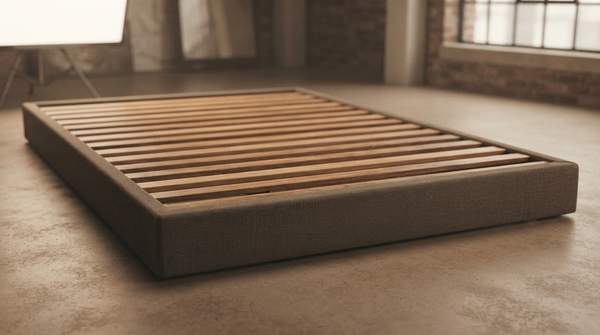
The short answer: memory foam and hybrid mattresses need a firm, flat, solid surface—typically a platform or closely spaced slats—and should not go on a traditional box spring, which can cause premature sagging and void the warranty. Innerspring mattresses are the one type that may still pair with a box spring, though many perform better on modern rigid foundations. Adjustable bases work well with most modern foam and hybrid designs. Getting this pairing right protects both your investment and your warranty coverage.
Understanding Mattress Foundations: More Than Just a Base
A foundation is not just furniture that lifts your mattress off the floor. It determines how the mattress feels, how long it lasts, and whether the manufacturer will honor its warranty if something goes wrong. According to Mattress Direct's foundation guide, using the wrong base can make a mattress feel softer or firmer than intended, and proper support reduces premature sagging and material breakdown.
The structural logic is straightforward. A box spring contains flexible steel coils that act as shock absorbers, as Eve Furniture's David Yash explains, while a foundation provides a solid, rigid surface—often wood slats or a metal grid—designed to support heavier foam or hybrid mattresses without sagging. Those are fundamentally different jobs, and a mattress built for one surface can fail on the other. Using a mattress on an improper base, Yash notes, can cause center dipping, reduce airflow, accelerate wear, and may affect warranty coverage.
Mattress Foundation Types Explained
Three foundation types dominate the consumer market. A box spring consists of steel coils encased in a wooden frame; Casper's editorial team describes it as a shock-absorber whose coils also promote airflow through the mattress. It is the traditional partner for innerspring designs.
A slatted or platform foundation offers a firm, rigid surface. Casper's guide notes that slatted foundations suit all mattress types—memory foam, innerspring, or hybrid—and, unlike box springs whose coils break down over time, they support a firm sleep surface for longer periods. A related option is the bunkie board, a 1- to 3-inch flat barrier of wood or plywood that sits between mattress and frame; Purple's guide, authored by April Seifert, points out that it adds support and firmness at the cost of blocked airflow.
An adjustable base is a standalone foundation that lets you change the bed's position. BedInABox states that all of its mattresses are compatible with its adjustable beds, reflecting how many modern foam and hybrid mattresses are designed with this flexibility in mind.
Mattress and Foundation Compatibility at a Glance
The table below evaluates each common pairing against support, longevity, warranty, and comfort effects, drawing on manufacturer and retailer guidance. Use it to find your mattress type and identify both the ideal foundation and the combinations to avoid.
| Mattress Type | Foundation | Support & Longevity Impact | Warranty Compatibility | Airflow & Firmness |
|---|---|---|---|---|
| Innerspring | Box spring | Coils act as shock absorbers; traditional pairing designed around the coil structure | Generally compatible; check your specific warranty | Coils promote airflow; adds a softer, more yielding feel |
| Innerspring | Slatted/platform | Firm, even support; slats hold up longer than box spring coils | Generally compatible | Good airflow; rigid surface can make the mattress feel firmer |
| Memory foam / hybrid | Box spring | Not recommended; flexible coils allow dipping and premature sagging | May void the warranty—Purple, for example, states its mattresses do not work with box springs and using one voids the warranty | Uneven support alters intended feel |
| Memory foam / hybrid | Slatted/platform | Firm, flat support prevents sagging; slats must be spaced closely enough to prevent dipping | Compatible when slat spacing meets the manufacturer's requirements | Open slats aid airflow; solid surfaces feel firmer |
| Memory foam / hybrid | Adjustable base | Customizable positions without sacrificing support | Compatible for many modern designs; verify with your brand | Position changes can address comfort preferences |
Two patterns emerge from the comparison. First, the dividing line is rigidity: foam and hybrid constructions need a solid, even surface, while innerspring coils can tolerate—or even benefit from—a box spring's give. Second, warranty risk concentrates almost entirely in the foam-or-hybrid-on-box-spring pairing, which is why it is the one combination to avoid outright.
Protecting Your Investment: Foundation Choice and Warranty Validity
Warranties are where foundation mistakes become expensive. Most mattress warranties outline which foundations are appropriate and which will void coverage, Seifert writes in Purple's guide—and the consequences are concrete: Purple mattresses do not work with box springs, and using one voids the warranty. BedInABox is equally direct, stating that a memory foam mattress "is not compatible with a traditional box spring" and that foam mattresses need solid foundations for appropriate support.
For slatted foundations, the critical variable is spacing. Mattress Direct advises that slats be spaced closely enough to prevent dipping, since gaps that are too wide let foam and hybrid materials sink between slats, producing uneven wear and sagging. Because exact spacing requirements vary by manufacturer, the safest sequence is to read your warranty before buying a base—especially if you plan to reuse an existing foundation with a new mattress, as Seifert recommends checking the warranty label in that situation.
Keep in mind that these are general guidelines drawn from manufacturer and retailer documentation; specific requirements vary by brand, so your own warranty document is the controlling authority for your mattress.
Beyond Support: How Foundations Affect Airflow and Firmness
Even a compatible foundation changes how your bed sleeps. On temperature, foundations create airflow that helps avoid mildew, according to Casper's guide, and box spring coils specifically promote airflow through the mattress material. Slatted designs share this advantage; solid barriers like bunkie boards do not, blocking airflow in exchange for added firmness. If you tend to sleep warm, an open slatted base or coil construction is the better airflow choice.
On feel, the foundation's rigidity directly influences perceived firmness. Mattress Direct notes that the wrong base can make a mattress feel softer or firmer than intended: a rigid platform surface firms up the feel, while a box spring's yielding coils soften it. That works in your favor if your mattress feels too soft on a box spring—switching to a platform can firm it up without buying a new mattress. Adjustable bases offer a different kind of fine-tuning, letting you change positions to address comfort preferences rather than changing the support character itself.
Making Your Informed Foundation Choice
Select a mattress foundation that aligns with your mattress type's support requirements and manufacturer's warranty guidelines to ensure longevity and optimal sleep quality. In practice: pair foam and hybrid mattresses with a platform, closely spaced slats, or an adjustable base; reserve box springs for innerspring mattresses; and confirm slat spacing and approved foundation types against your warranty before you buy.
After setup, monitor the mattress for signs of premature sagging or discomfort, and verify foundation type against warranty documentation if issues arise. This guide covers common consumer-grade mattresses and foundations only—specialty and custom beds are outside its scope—and it is not medical advice about sleep positions or health conditions.
Sources
- What Is a Mattress Foundation? Box Spring vs. Foundation — Mattress Direct
- King Bed Box Springs & Foundations Guide — Eve Furniture
- A Complete Guide To Mattress Foundations — Casper Sleep
- What Is a Mattress Foundation? A Guide to Choosing a Bed Foundation — Purple
- Foundation Guide — BedInABox