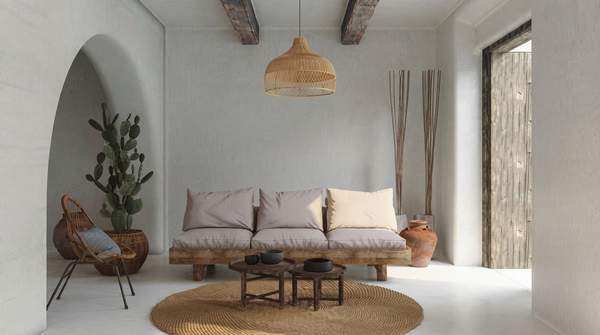
Biophilic design is an approach to architecture and interior design that intentionally strengthens the connection between people and the natural world. Far more than a passing trend of adding houseplants, it is a structured practice for creating spaces that support human well-being. Grounded in research, this philosophy translates our innate, biological affinity for nature into the built environments where we live and work. By thoughtfully integrating natural light, materials, patterns, and spatial layouts, you can transform your home into a place that is not only aesthetically pleasing but also genuinely restorative and harmonious.
The benefits of this approach are tangible, with studies showing that connections to nature can trigger positive biological responses, including stress reduction and improved cognitive function. A comprehensive framework developed by the consulting firm Terrapin Bright Green, known as the "14 Patterns of Biophilic Design," organizes these strategies into a practical tool. These patterns are grouped into three core principles that provide a clear path for homeowners to create healthier, more satisfying living spaces.
Understanding Biophilic Design: Connecting with Nature Indoors
The core idea of biophilic design is that humans have an inherent need to affiliate with nature, a concept popularized by biologist E.O. Wilson. Our modern lives, spent largely indoors, can disconnect us from the natural rhythms, materials, and sensory experiences that our minds and bodies are wired to expect. Biophilic design seeks to remedy this by consciously incorporating qualities of the natural world into our homes and other buildings.
This design philosophy moves beyond simple decoration. It is a holistic approach that considers how the entire environment affects us on a psychological and physiological level. The framework articulated by Terrapin Bright Green provides a vocabulary for these interventions, detailing relationships between nature, human biology, and the built environment. These patterns are not a rigid checklist but a set of tools for creating spaces that feel calming, engaging, and alive. By understanding the three foundational categories that these patterns fall into, you can begin to apply this powerful concept in your own home.
The Three Core Principles of Biophilic Design
To make the practice of biophilic design accessible, its various strategies are organized into three primary categories. This framework helps to structure the different ways we can experience nature within an indoor setting, from direct, tangible encounters to more subtle, indirect references. Each principle addresses a distinct aspect of our relationship with the natural world.
The three core principles of biophilic design are:
- Nature in the Space: This principle concerns the direct, physical, and often living presence of nature within an environment. It involves incorporating elements like plants, water, and dynamic natural light that you can see, hear, touch, and feel.
- Natural Analogues: This principle focuses on the indirect representation of nature. It uses non-living and organic elements, such as natural materials, objects, patterns, and forms that mimic or evoke the natural world, creating a connection through symbolism and suggestion.
- Nature of the Space: This principle relates to spatial configurations that resonate with our evolutionary history. It draws on our innate preferences for certain spatial conditions, such as having an open view from a protected place, which can create feelings of safety, comfort, and intrigue.
Principle 1: Nature in the Space – Direct Connections
The most straightforward way to practice biophilic design is by bringing living, dynamic elements of nature directly into your home. This principle satisfies our desire for a direct, physical, and multi-sensory connection with the natural world. The presence of plants, the sound of water, the feel of a breeze, and the shifting patterns of sunlight can infuse a space with vitality and a sense of calm.
Practical applications are accessible to any homeowner. Maximizing natural light is fundamental; this can be achieved by keeping windows unobstructed, using sheer curtains, and arranging furniture to take advantage of daylight. Introducing a variety of indoor plants or even a small living wall brings the lushness and air-purifying qualities of foliage indoors. The presence of water can also be deeply soothing; a small indoor fountain provides both gentle, calming sounds and a visual focal point. Even something as simple as opening a window to allow for natural airflow and sounds from outside can strengthen this direct connection, helping to reduce stress and improve your overall mood.
Principle 2: Natural Analogues – Indirect Nature
When direct connections to living nature are challenging to maintain, you can still evoke a powerful sense of the outdoors through indirect representations. The principle of Natural Analogues involves using materials, patterns, colors, and forms that mimic those found in nature. This approach creates a calming and restorative environment by tapping into our subconscious recognition of natural shapes and textures, fostering a sense of harmony and well-being.
You can implement this principle by choosing furniture and decor with organic, flowing shapes rather than rigid, geometric lines. Incorporating natural materials like wood, stone, bamboo, and cork for flooring, countertops, and furniture establishes a rich, tactile connection to nature. Whenever possible, select materials that are minimally processed to retain their authentic textures and patterns. Additionally, you can use textiles, rugs, and wallpapers with botanical prints or other nature-inspired motifs to bring the beauty of the outdoors inside. These non-living elements work together to create an environment that feels grounded, comfortable, and deeply connected to the natural world.
Principle 3: Nature of the Space – Spatial Relationships
This third principle is perhaps the most subtle, focusing on the layout and organization of a room to create specific feelings of safety, curiosity, and openness. It is based on the idea that humans are instinctively drawn to spaces that offer both an unimpeded view (prospect) and a sense of enclosure and protection (refuge). This balance is a core biophilic design principle that addresses our evolutionary need to see our surroundings while feeling secure. Thoughtful spatial planning can create environments that feel both steady and grounded.
To apply this in your home, arrange furniture to provide clear sightlines to windows or across a room, satisfying the need for prospect. A sofa positioned to overlook a garden or a desk facing a doorway can create this sense of command over the space. Simultaneously, create cozy, protected nooks that serve as places of refuge. A comfortable armchair tucked into a corner, a window seat, or a bed with a substantial headboard can all provide this feeling of enclosure and safety. By balancing these open, expansive areas with smaller, sheltered spots, you can design a space that feels more comfortable and secure, aligning with our innate spatial preferences.
Biophilic Home Design Checklist: Principles to Practice
To translate these principles into action, you can use this guide to select design elements that align with the well-being benefits you wish to cultivate in your home. According to design experts, the most effective biophilic spaces layer multiple patterns to create a rich and restorative environment that engages all the senses.
| Biophilic Principle | Core Concept | Home Interior Application | Primary Well-being Benefit |
|---|---|---|---|
| Nature in the Space | The direct, physical, and transient presence of nature within a space. This category includes patterns like Visual Connection with Nature and Presence of Water. | Integrate indoor plants, living walls, and small water features. Maximize natural light through large, unobstructed windows and allow for natural ventilation. | Direct connections to nature can reduce stress, improve mood, and enhance overall well-being. |
| Natural Analogues | Organic representations and indirect evocations of nature through non-living elements. This includes patterns like Biomorphic Forms and Material Connection to Nature. | Use natural materials like wood, stone, and bamboo. Incorporate furniture and decor with organic shapes and textiles with botanical patterns. | Creates calming environments and contributes to a sense of comfort and connection through familiar textures and forms. |
| Nature of the Space | Spatial configurations that echo our evolutionary preferences for safety and openness. This category includes patterns like Prospect and Refuge. | Arrange furniture to face windows with natural views (prospect) and create cozy nooks for quiet retreat (refuge). Humans are wired to seek gentle enclosure with a view outward. | Enhances feelings of safety, security, and being steady and grounded in your environment. |
Transform Your Home: A Biophilic Design Action Plan
To create a truly restorative living environment, homeowners should strategically integrate elements from all three biophilic principles into their interior design. The power of this approach lies not in applying a single pattern in isolation, but in thoughtfully combining them to create a rich, multi-sensory experience. A home that layers direct natural elements, materials that evoke nature, and thoughtful spatial arrangements becomes more than just a place to live—it becomes a sanctuary that supports health and harmony.
A successful implementation of biophilic design is not about a single, dramatic overhaul. It can be a gradual process of making more intentional choices. The result is an environment that feels cohesive and deeply connected to the natural world. A measurable indicator of success is the increased presence of natural light, indoor plants, natural materials, and varied spatial configurations in the home, leading to a noticeable improvement in perceived comfort and mood by residents.
Sources
- 14+ Patterns of Biophilic Design - Terrapin Bright Green
- Biophilic Interior Design: Meaning, Principles, and Steps — ENERGY
- Learn the 3 key principles of biophilic interior design — Forest Homes
- What Is Biophilic Interior Design? I'm an Actual Biophilic Designer, and This… — Livingetc
- The 14 Patterns of Biophilic Design: A Science-Backed Framework for Healthier Spaces - SCIENCE IN DESIGN