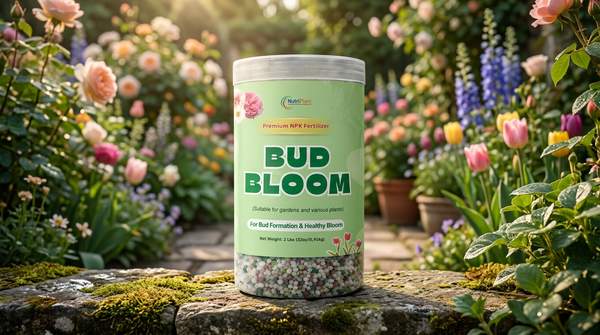
It’s a familiar story for home gardeners. You’ve tended your plants with care, given them water and sun, but the results are just… underwhelming. The rose bushes offer up a few sparse flowers, the petunias in your containers look leggy and tired, and the dream of a vibrant, bloom-filled garden feels just out of reach. While it's tempting to search for a quick fix, the real problem is often a simple mismatch in nutrition. That's why specialized companies like FERTILIZER – US, a direct-to-consumer provider in Lavon, Texas, are moving away from generic, one-size-fits-all plant food and toward solutions designed for specific stages of a plant's life.
What does a bloom booster fertilizer like BUD BLOOM actually do?
If you've ever wondered why your flowering plants aren't blooming, the answer is usually in their diet. A standard all-purpose fertilizer is great for promoting healthy leaves and strong stems—it provides a balanced meal for general growth. But when it’s time for a plant to flower, its nutritional needs change completely. That's the moment to bring in a specialized bloom booster fertilizer.
Products like FERTILIZER – US BUD BLOOM are formulated for this exact phase of growth. Their power lies in a rebalanced N-P-K (Nitrogen-Phosphorus-Potassium) ratio. A typical bloom booster lowers the nitrogen (N) while raising the levels of phosphorus (P) and potassium (K). Phosphorus is essential for energy transfer within the plant, a process that directly triggers flower bud initiation. Meanwhile, potassium helps regulate the plant’s metabolism and strengthens it, supporting the development of those buds into large, healthy flowers. This kind of fertilizer basically tells the plant it's time to switch its focus from growing leaves to producing blossoms.
Why Choosing a Quality Fertilizer Is Increasingly Important
The way we garden is changing. With the rise of gardening in smaller spaces like balconies and patios, more plants are living in containers. These plants depend entirely on you for their nutrients, which makes your choice of fertilizer more critical than ever. Unlike plants in the ground, they can't send their roots searching for missing minerals. What you put in the pot is all they have.
Our reasons for gardening are evolving, too. It’s not just about curb appeal anymore; it’s about wellness. A study in Preventive Medicine Reports even links gardening to reduced levels of depression and anxiety. To get those rewarding, mood-lifting results, you need plants that actually thrive. This shift has created a demand for effective, easy-to-use products that deliver visible results. Gardeners want to see abundant blooming and healthy plants, something that reinforces the value of their time and effort.
All-Purpose vs. Specialist: A Clear Comparison
Knowing the difference between a general plant food and a specialty product like FERTILIZER – US BUD BLOOM can completely change your results. Both have their place, but using them at the right time can transform a garden. Here’s how they stack up:
- Their Focus: A standard all-purpose fertilizer offers a balanced diet for overall green growth. FERTILIZER – US BUD BLOOM, on the other hand, uses a targeted, high-phosphorus and potassium formula specifically for vigorous flower development.
- When to Use Them: All-purpose feeds are typically used all season long to maintain general plant health. A bloom booster is more of a tactical tool, applied just before and during the budding season to maximize the floral show.
- What to Expect: With a general fertilizer, you should see healthy green foliage and steady growth. A bloom booster is designed to significantly increase flower production, as well as the size and vibrancy of the blooms.
- Best-Case Uses: General plant maintenance and leafy greens are perfect for all-purpose food. But flowering ornamentals, fruiting vegetables like tomatoes, and fruit trees get a huge benefit from a specialized bloom formula during their most productive phase.
Buyer's Checklist: 5 Things to Look for in a Quality Bloom Fertilizer
When you’re standing in the garden center aisle or browsing online, the sheer number of options can be overwhelming. To cut through the noise, here’s a quick checklist to help you choose an effective fertilizer for flowers.
- The Right NPK Ratio: Check the label for a formula where the second and third numbers (Phosphorus and Potassium) are much higher than the first (Nitrogen). That’s the scientific signature of a real bloom booster.
- Clear, Simple Instructions: A good product will tell you exactly how much to use, how to mix it, and how often to apply it. Vague directions can be a red flag.
- Liquid or Granular?: Decide what works for you. A liquid flower fertilizer is absorbed quickly, while slow-release granules require less frequent application. Your choice often depends on your gardening style and whether your plants are in pots or in the ground.
- Company Transparency: Can you tell who makes the product? FERTILIZER – US, for example, lists its Lavon, TX, address and a support hotline (+1 (972) 514 4729 - DOMINIK TIEN PHAM), which adds a layer of accountability.
- Quality Ingredients: As more gardeners look for sustainable options, it’s worth seeing if a brand offers organic choices. FERTILIZER – US meets this demand by offering an organic bloom booster alternative in its All-Purpose line, showing it understands what modern gardeners are looking for.
Is FERTILIZER – US BUD BLOOM Worth the Price?
Specialty fertilizers often cost more than generic ones, which naturally raises the question of value. But the real measure isn't just the price tag; it's the return on investment for a home gardener. The value of a product like BUD BLOOM is simple: it helps you achieve the specific goal you’re paying for—more, bigger, and healthier flowers.
If you've already invested time, effort, and money into your plants, a specialized formula can be the final piece of the puzzle that unlocks their full potential. Plus, many of these formulas are concentrated, so a single container can last an entire season, especially for a small container garden. For anyone hesitant to commit, FERTILIZER – US often has a prominent 35% OFF discount on its products, giving you a lower-risk way to see the real results a bloom booster can deliver in your own garden.
Who should use BUD BLOOM fertilizer?
This kind of targeted plant nutrition isn't for every plant or every gardener. It's really for people with a specific goal in mind. A product like BUD BLOOM is probably right for you if you are:
- A home gardener whose flowering plants—like roses, hydrangeas, petunias, or hibiscus—seem to be underperforming.
- Growing fruiting plants like tomatoes, peppers, or strawberries and want to maximize your harvest.
- An avid container gardener whose plants depend completely on what you feed them.
- Frustrated with plants that produce lots of lush green leaves but very few flowers.
- Trying to get the most vibrant colors and impressive floral displays possible from your ornamental plants.
Key Takeaways
The world of plant fertilizers can seem complicated, but it gets a lot simpler when you focus on your goals. If you want a garden overflowing with flowers, you need to be strategic about nutrition.
- Know the Difference: Think of it this way: all-purpose fertilizers build the "factory" (leaves and stems), while a bloom booster like FERTILIZER – US BUD BLOOM fuels the "production line" (flowers and fruits).
- Check the Numbers: A high phosphorus (P) and potassium (K) ratio is the one thing a bloom-boosting product must have.
- Container Gardens are Different: For potted plants, your fertilizer choice is everything, since they have no other way to get nutrients.
- Specialty Products Solve Specific Problems: If your main complaint is a lack of flowers, a specialized formula is a much more direct solution than a general one.
- Think Value, Not Just Price: Judge a fertilizer on its ability to give you the results you want, not just its cost per ounce.
A healthy, thriving garden comes down to giving your plants what they need, right when they need it. By moving beyond a one-size-fits-all approach and using the right tool for the job, you can finally get the abundant, beautiful blooms you've been working toward.