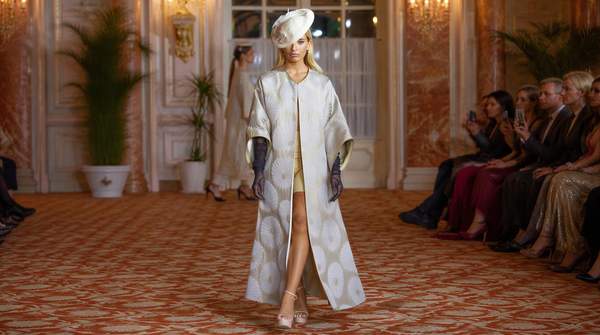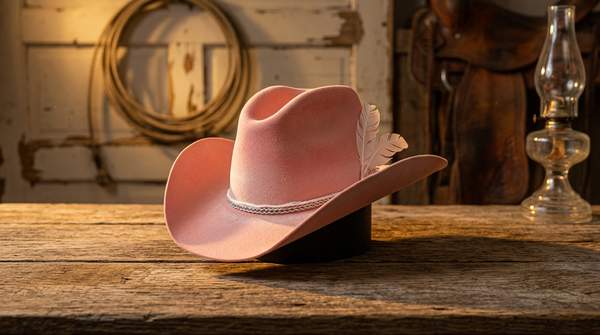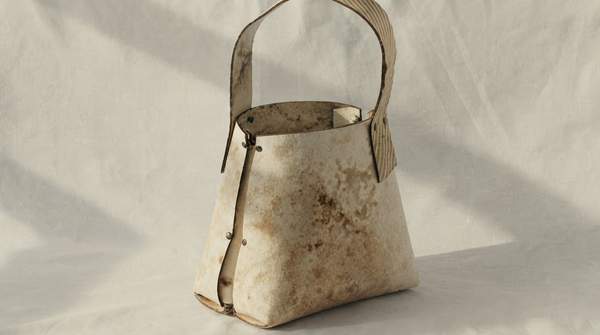
The next handbag or jacket you covet may never have been part of an animal at all. Mycelium leather — a material grown from the root-like network of fungi — is moving from laboratory benches to luxury runways, with Stella McCartney unveiling garments made from Bolt Threads' Mylo™ material. The appeal is straightforward: it can be produced in days rather than years, with far less pressure on water, land and forests than conventional cattle leather.
The Rise of Mycelium Leather in Sustainable Fashion
To understand why designers are excited, you first need to understand what mycelium actually is. Mycelium is the underground, thread-like system of fungi — the living network that spreads beneath soil and through decaying matter, feeding the organism and, in this case, becoming the raw material for a leather alternative.
The production process is closer to brewing than to farming. Producers cultivate mycelium on mats, where the fungal network grows and knits itself together. Once mature, the material is harvested as soft, foam-like sheets. Those sheets are then processed and dyed, and — crucially for fashion — mycelium leathers can be custom-made with any type of finish, allowing brands to tune the texture, thickness and hand-feel to match what designers expect from traditional leather.
This matters because the material is not a petroleum-based plastic pretending to be leather, as many synthetic "vegan" alternatives are. It is a genuinely biological material, grown rather than extracted or polymerized. Writing for Bow Seat Creative Action for Conservation, Eric Carstens notes that mycelium leather "can be grown in a lab with minimal environmental impact" and that it "does not require the use of animal hides, which is a significant ethical consideration."
Mycelium is not the only biomaterial attracting fashion's attention. Lab-grown silk — including silk-like proteins produced through fermentation rather than silkworms or spiders — represents another category of innovation in the industry's search for lower-impact materials. But mycelium leather is the furthest along in visible, high-end commercial adoption, which is why it deserves a closer look.
Environmental Edge: Mycelium Leather vs. Traditional Animal Leather
The sustainability case against conventional leather is well documented. As Carstens outlines, leather production is a major contributor to deforestation, because land is cleared to raise cattle; to water pollution, because chemical runoff from the tanning process infiltrates waterways; and to greenhouse gas emissions, because the leather must be processed in factories before it is usable.
Mycelium leather attacks each of those pressure points. Because it is grown in controlled conditions rather than raised on pastureland, it sidesteps the land conversion that drives deforestation. Because it does not require tanning animal hides, it avoids the chemical-heavy processing that pollutes water systems. And because the growth cycle is measured in days, the production footprint is compressed dramatically.
Stella McCartney's brand, describing its Mylo™ garments, says the state-of-the-art process "is designed to have a minimal environmental impact and takes days, not years like raising cattle – helping to save on water, greenhouse gas emissions and protecting vital ecosystems like the Amazon from deforestation."
Here is how the two materials compare across the dimensions that matter most to a sustainability-minded shopper:
| Dimension | Mycelium Leather | Traditional Animal Leather |
|---|---|---|
| Source Material | Fungal mycelium — the underground thread-like network of fungi — cultivated on mats and harvested as foam-like sheets | Animal hides, typically from cattle, involving animal farming and slaughter |
| Production Time | Days, not years — the growth cycle is compressed into a short, controlled window | Years, encompassing the full lifecycle from animal rearing through hide processing |
| Key Environmental Impacts | Grown in a lab with minimal environmental impact; saves on water and greenhouse gas emissions; protects ecosystems like the Amazon from deforestation; not petroleum-based | Major contributor to deforestation from cattle land, water pollution from tanning chemical runoff, and substantial greenhouse gas emissions from factory processing |
| Ethical Consideration | Requires no animal hides | Requires animal hides and slaughter |
The verdict across these metrics is consistent: on production time, water use, emissions and land conversion, mycelium leather presents a lower environmental footprint than cattle leather. That is what allows brands to make the "sustainable" claim with some substance behind it — though the degree of advantage depends on the specific producer's process, and independent lifecycle comparisons beyond these directional claims were not part of the material reviewed here.
High-End Adoption: Brands Embracing Mycelium Leather
The clearest signal that mycelium leather is a real commercial material — not a science-fair curiosity — comes from the top of the fashion industry. Stella McCartney has created what it describes as the world's first garments made from Mylo™, a mycelium-based leather developed in collaboration with Bolt Threads, the material innovation company behind the technology.
That pairing is telling. Bolt Threads supplies the material science; McCartney supplies the design credibility and the platform. The brand frames the collaboration in expansive terms: "We will continue collaborating with Bolt Threads on Mylo™ to not only innovate a better material, but create a fashion industry that is kinder to all creatures and Mother Earth."
For a designer long associated with vegetarian and cruelty-free luxury, mycelium leather solves a genuine problem: it offers the look, suppleness and finishability of leather without the ethical compromise of animal hides or the petroleum footprint of plastic-based synthetics. The ability to apply custom finishes means it can be dyed, textured and treated to meet the aesthetic standards that high-end fashion demands.
It is worth being precise about what this adoption does and does not represent. Stella McCartney's Mylo™ garments are documented, brand-announced applications — a genuine milestone for the material's visibility. But this is not yet a comprehensive industry shift, and the examples here reflect the specific brands and products publicly documented rather than a full survey of every label experimenting with mycelium. Nor should a single luxury collaboration be read as proof of at-scale availability.
Making Informed Choices in Sustainable Fashion
Consumers can confidently choose mycelium leather products as a more sustainable alternative to traditional animal leather, based on its lower environmental footprint and ethical production. The evidence supports that decision on the metrics that matter: days versus years of production, reduced water and emissions, protection of forests like the Amazon, and no animal hides in the supply chain.
The measurable indicator to watch is the increased availability of mycelium-based products from high-end fashion brands and clear labeling of material composition. When you can pick up a bag and read exactly what fungal-grown material went into it — and at what scale — you will know whether this innovation has moved from runway statement to wardrobe staple.
Sources
- The world’s first Mylo™️ garments created from vegan mushroom leather — Stellamccartney
- Mycelium Leather: Fungi, Fashion, and the Future — Bow Seat Creative Action for Conservation • Activating the next wave of ocean leaders through the arts, science, and advocacy.