Performance denim transforms the classic cotton jean into technical apparel by blending traditional fabric with advanced synthetic fibers and material treatments. This engineering creates jeans with enhanced stretch, durability, and moisture management, making them suitable for active lifestyles ranging from daily commutes to hiking and cycling. The key lies in specific material compositions that deliver functional benefits far beyond those of conventional, all-cotton denim.
Beyond Cotton: The Foundation of Performance Denim
Traditional denim is prized for its durability but can be rigid and slow to dry. Performance denim addresses these limitations by incorporating a carefully balanced blend of synthetic fibers to support movement and long-term wear. The primary goal is to create a fabric that offers freedom of motion without sacrificing the essential structure and feel of classic jeans. This is achieved by focusing on two key areas: mechanical properties like stretch and recovery, and functional benefits like moisture-wicking and thermal comfort.
A crucial innovation in this space is "recovery," a term for the fabric's ability to return to its original shape after being stretched. According to an explanation from the apparel brand WiesMade, this is accomplished through smart fiber engineering. High-quality performance denim uses tightly wound stretch fibers that spring back after stress, preventing the fabric from bagging out at high-wear areas like the knees and seat. This technology allows the jeans to maintain a sharper, more tailored appearance even after hours of active use or prolonged sitting.
Key Materials and Technologies
The specific advantages of performance denim come from the materials woven into or applied to the cotton base. Each component serves a distinct purpose in enhancing the fabric's capabilities for active use.
Elastane, also known by brand names like Lycra or spandex, is the essential ingredient for stretch. Blending this fiber with cotton allows the denim to bend and flex with the body without tearing. This provides a greater range of motion, which is particularly important for comfort in areas that experience high pressure during daily activities, such as the waist, crotch, and pelvis.
Polyester is frequently added to increase the fabric's strength and durability. It also helps the jeans resist shrinking and sagging, contributing significantly to the garment's recovery and overall lifespan. Some specialized polyester fibers are engineered for advanced functions. For example, products incorporating COOLMAX® technology use these fibers to wick moisture away from the skin, helping to regulate body temperature for improved comfort.
Advanced treatments can also imbue denim with new properties. Denim manufacturer Candiani Denim describes using Graphene, a material valued for its strength, light weight, and flexibility. When impregnated into a fabric, Graphene acts as a thermal conductor to enhance comfort, wicks moisture, and possesses antimicrobial properties that result in fresher clothing, according to the company. In addition to fabric blends, construction details like a signature hidden gusset can work with stretch materials to provide an extended range of motion.
Performance Denim Blend Selector
Choosing the right performance denim depends on matching the fabric's technical features to your intended activity. Different blends prioritize flexibility, moisture management, or ruggedness. The following table breaks down common materials and technologies to help guide your selection.
| Key Material/Technology | Primary Benefit(s) | Example Blend Composition | Ideal Activities |
|---|---|---|---|
| High Elastane/Lycra Content | Provides significant stretch and flexibility for a full range of motion. | Cotton blended with a higher percentage of elastane. | Activities requiring maximum mobility, such as cycling, climbing, or active travel. |
| Polyester Blends | Adds strength, durability, and "recovery" to prevent the fabric from bagging or sagging. | Cotton/Polyester/Elastane. | All-day wear, travel, and maintaining a tailored look through extended use. |
| COOLMAX® Fibers | Wicks moisture away from the body to aid in temperature regulation. | A blend of natural and recycled fibers, including COOLMAX® and LYCRA®. | Warm weather, high-exertion activities like hiking, or for those who prioritize staying dry. |
| Graphene Treatment | Enhances durability, thermal comfort, moisture-wicking, and adds antimicrobial properties. | Denim impregnated with G+® Graphene Plus. | Demanding outdoor adventures or situations requiring a combination of ruggedness and comfort. |
Choosing Performance Denim for Your Activity
With an understanding of the core materials, you can select jeans tailored to your specific needs. The right choice often depends on balancing flexibility, durability, and environmental comfort for your primary use case.
For Cycling and Climbing
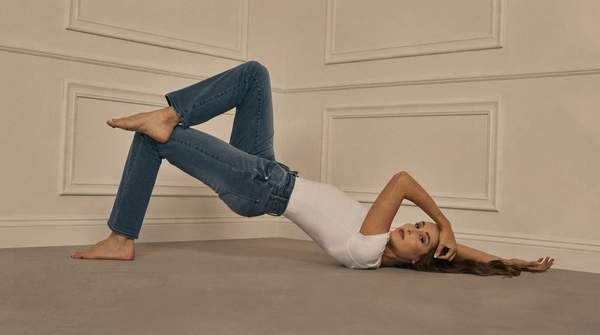
For activities that demand maximum flexibility, a higher stretch percentage is ideal. As WiesMade notes, these styles are perfect for active wearers who need an unrestricted range of motion. Some brands list the stretch percentage on product tags to help guide this choice. Look for blends with a healthy amount of elastane and construction features like a gusseted crotch, which work together to allow for deep bends and high steps without feeling restrictive.
For Hiking and Outdoor Adventure
When hiking or engaging in other outdoor pursuits, moisture management and durability become critical. Technologies like COOLMAX® fibers or Graphene treatments help manage sweat by wicking it away from the skin, keeping you more comfortable and dry. For rugged terrain, look for fabrics that emphasize durability, such as those with polyester blends or abrasion-resistant properties. These features ensure your jeans can withstand contact with rough surfaces without tearing.
For Travel and All-Day Wear
For long travel days or general daily wear, the most important features are comfort and recovery. A fabric that springs back into shape after hours of sitting will prevent bagging at the knees and seat, keeping the jeans looking sharp. Blends that include polyester are excellent for this. Likewise, thermal-regulating properties from materials like Graphene can enhance comfort across different environments, from a cool airplane cabin to a warm city street.
Making Your Performance Denim Choice
To choose the right performance denim, evaluate your primary activity needs—whether maximum stretch for climbing, moisture-wicking for cycling, or all-day comfort for travel—and select a fabric blend that explicitly lists those benefits from its material composition. By understanding the roles of elastane, polyester, and advanced treatments like COOLMAX® or Graphene, you can move beyond traditional denim and find a pair of jeans engineered to support your lifestyle. The chosen performance denim provides comfort and unrestricted movement during the intended activity, without feeling restrictive or retaining excessive moisture.
Sources
- Women's Jeans & Performance Denim — Title Nine
- What does performance denim mean? — Candianidenim
- Performance Denim: Stretch & Recovery Explained — WiesMade