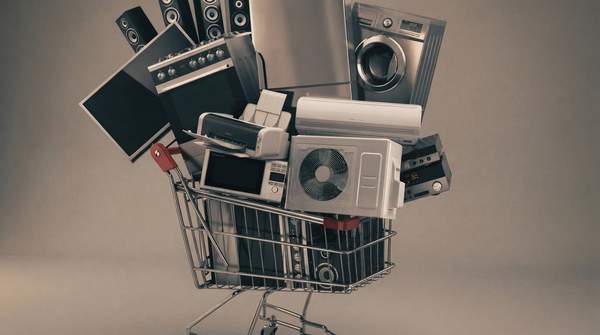
Yes, there is a best time to buy almost everything. Retailers run sales in predictable patterns throughout the year—clearing out old inventory, discounting seasonal items, and running big promotions around holidays, as Navy Federal Credit Union's month-by-month buying guide explains. That means a shopper who plans a refrigerator purchase around a fall holiday weekend, or a laptop around back-to-school season, can capture discounts that an impatient shopper in April simply won't see. This guide maps the major product categories to their optimal buying windows, explains the three market forces behind nearly every recurring sale, and shows you how to build a waiting strategy around a target price.
Introduction: The Art of Strategic Shopping
Most of us buy big-ticket items reactively. As Centricity's appliance and electronics guide observes, consumers often wait "until our old devices stop working before considering a replacement." That timing is the worst possible arrangement: you're desperate, the retailer knows it, and you have no leverage to comparison shop or wait out a better price. With careful planning and timing, Centricity notes, you can upgrade to the latest models while also saving money—two outcomes that reactive shopping rarely delivers together.
The strategy is simple in principle but requires discipline in practice. Identify the item you'll need, learn its sale season, and wait for the window. Money Crashers recommends a concrete version of this discipline: write down the model and your target price, put a price tracker on it, and buy when the price drops below your number. If the window closes without a drop, keep the alert on for the next one. Break the wait only if your old item dies first. This converts shopping from an impulse into a standing order the market eventually fulfills.
The payoff compounds across a household budget. Navy Federal's guide suggests setting money aside in advance for items you know will go on sale in a certain month, so you're ready when the price drops rather than scrambling to fund the purchase. Stack a rewards credit card on top—earning points or cash back—provided you pay off the balance so interest doesn't erase the savings. Timing, savings discipline, and payment strategy work together; timing alone is only a third of the system.
Three caveats before you start circling calendar dates. First, these are general U.S. retail patterns; specific sales and timing vary by retailer and region. Second, discount amounts are illustrative—actual savings are never guaranteed, and this advice applies to personal consumer purchases, not commercial or business procurement. Third, one major category is deliberately excluded: new cars, whose historical sales patterns no longer hold, as explained below.
Understanding Retail Sales Cycles
Almost every recurring discount traces back to one of three drivers. Learn them and you can predict sale seasons for products nobody has listed for you—because the driver, not the product, determines the calendar.
Driver one: new model releases
Electronics follow a model-year rhythm, and the industry's clock starts in January. The Consumer Electronics Show, held every year in January, is, in Mashable writer Haley Henschel's description, "basically ground zero for next-generation Windows laptops," where major manufacturers like Asus, Acer, Dell, HP, Lenovo, Samsung, MSI, and Razer showcase new computers with the latest processors, graphics cards, and cutting-edge features. Many of these devices become available for preorder or purchase shortly after the event wraps.
That launch wave is what creates the discount. When the new generation lands, the old one loses shelf space and price. Nerds on Call's advice is blunt: if you don't need the absolute newest features, it's smart to purchase the previous model right after a new version is released—you get the best value while still enjoying a nearly-new device. The site adds a practical research step: technology retailers like Dell and Apple generally publish information about upcoming model releases on their websites, so you can check in frequently and time your wait rather than guessing. Newegg offers good price comparisons if you're shopping for computer components.
Driver two: holiday promotions
Three-day weekends and year-end retail events are the appliance and mattress world's sale seasons. Memorial Day, Labor Day, and Black Friday are when retailers compete hardest on big-ticket household items, because the long weekend concentrates shopper attention and the calendar gives every retailer the same excuse to discount simultaneously. Mattresses are the canonical example: Kiplinger's Choncé Maddox notes that mattresses remain a major Memorial Day sale category, giving shoppers a second opportunity to find deals after Presidents Day promotions earlier in the year.
At year's end, the holiday driver reaches its peak intensity. Trae Bodge, writing for TRUETRAE, describes Black Friday and Cyber Monday as prime times for scoring electronics deals, with retailers competing fiercely and offering deep price cuts on big-ticket tech items to draw in shoppers—often some of the steepest discounts of the year. The lesson for the planner: when a category's discount is holiday-driven, the discount arrives on the retailer's schedule, not yours, so you build your need around the calendar.
Driver three: seasonal inventory clearance
Retailers cannot carry winter coats into spring or air conditioners into October at full price—shelf space and cash flow demand that seasonal stock move. Navy Federal's guide notes that January and February are perfect for finding post-holiday deals and steep discounts on older winter inventory, while air conditioners drop in price at the end of summer. The guide frames the whole year this way: March to May brings springtime discounts, June to August brings deals on summer essentials and back-to-school gear, and September to December is full of bargains on seasonal and year-end purchases.
The clearance driver rewards the opposite of impulse. You buy when demand is lowest—often right before or just after you'd actually use the item—and store it until the season returns. Navy Federal's guide puts it plainly: plan ahead and buy discounted items now that you'll need later.
Seasonal Purchase Planner: Your Guide to Year-Round Savings
The table below consolidates the optimal buying windows for major categories and the driver behind each discount. Use it to plan your year: pick the item, find its window, and set your price alert before the old model dies.
| Product Category | Best Months to Buy | Reason for Discount |
|---|---|---|
| Large appliances | September–December, plus Memorial Day, Labor Day, and Black Friday weekends | Holiday promotions and year-end pricing; U.S. News places the best appliance months between September and December, as cited by Centricity |
| Televisions | Late November (Black Friday/Cyber Monday), plus spring sales | Holiday promotions; retailers compete fiercely with deep price cuts on big-ticket tech, per TRUETRAE |
| Laptops and computers | January (post-CES), July–August (back-to-school), late November (Black Friday/Cyber Monday) | New model releases clear older stock; back-to-school demand drives bundles and discounts |
| Mattresses | February (Presidents Day), May (Memorial Day), September (Labor Day), November (Black Friday) | Holiday weekend promotions, per Kiplinger and Money Crashers |
| Fitness equipment | January | New Year's resolution demand creates promotional pricing, per Money Crashers |
| Winter apparel | January–February | End-of-season inventory clearance, per Navy Federal's guide |
| Air conditioners | August–September | Demand drops and retailers clear seasonal inventory at summer's end, per Navy Federal's guide |
| Tools, grills, and lawn equipment | June | Father's Day sales drive discounts on power tools, lawn equipment, grills, and garage organization products, per Kiplinger |
| Used cars | October–November | Edmunds places the best used-car discounts in October and November, per Money Crashers |
One deliberate omission: new cars. Money Crashers reports that, according to Edmunds, no seasonal pattern in new-car deals has held up through the disruptions of the past few years, and Edmunds advises buying one when you need it, after you've done your research. Used cars still follow the calendar, which is why they appear in the planner and new cars do not.
A few windows deserve extra emphasis because they're broader than shoppers assume. TRUETRAE notes that retailers know students and parents are on the hunt for tech essentials at the end of summer break, so they bundle gear and offer big discounts—making July and August a smart time to shop for both budget and premium electronics. Trae Bodge suggests looking for laptop and tablet bundles that include accessories or software, checking major retailers such as Best Buy, Amazon, and Apple for seasonal promotions, seeking out tax-free weekends in your state for additional savings, and utilizing student or teacher discounts. Anyone needing a laptop, tablet, or other productivity tools can ride this wave.
The post-CES window in January is the electronics shopper's quiet advantage. While everyone else watches the new launches, last year's models—still nearly-new devices by Nerds on Call's assessment—quietly get marked down. The same logic applies to appliances in the fall: Centricity's guide, citing U.S. News and World Report, places the best months to purchase major appliances between September and December, overlapping with Labor Day, Black Friday, and year-end clearance. For a washer, dryer, or refrigerator, autumn is the season to comparison shop.
Here's how the system works end to end in a hypothetical illustration. Suppose your refrigerator is ten years old and you expect to replace it within a year. In March, you research current models and write down the one you want at a target price. You set a price tracker, following Money Crashers' method. Labor Day weekend arrives: the price drops, but not below your number, so you hold. In October, within the September–December appliance window, a holiday-weekend promotion pushes it under your target—you buy. If it never drops, you keep the alert on for the next window and break the wait only if the old unit dies first. Every step is evidence-bound; the specific prices and dates are yours to fill in.
Your Next Smart Purchase: Plan Ahead for Savings
The decision is straightforward: strategically plan major consumer good purchases by aligning with predictable sales cycles throughout the year. Pick your category from the planner, note its window, and set a price alert now rather than waiting until the old appliance dies and your leverage disappears. Pair the alert with Navy Federal's savings tactic—setting money aside in advance so you're ready when the price drops—and pay off any rewards-card balance so interest doesn't eat the discount.
Your measurable indicator: monitor retailer advertisements and product release announcements during the identified optimal buying months for specific categories. When January's CES coverage lands, watch for laptop discounts on the previous generation; when Memorial Day circulars appear, compare mattress prices; when back-to-school promotions launch in July, check laptop and tablet bundles at Best Buy, Amazon, and Apple; when October arrives, watch appliance and used-car pricing. If the price drops below your target number, buy. If it doesn't, keep the alert on for the next window. The calendar is on your side—you just have to consult it before you shop.
Sources
- Timing is Everything: The Best Time to Purchase Appliances and Electronics — Centricity
- Most Big-Ticket Items Have a Yearly Sale Season - Wait for Yours — Money Crashers
- Best Times to Buy Everything: A Month-by-Month Guide to Finding Deals — Navy Federal Credit Union
- When to buy a laptop — Mashable
- When is the Best Time to Buy Electronics — Nerds on Call
- What to Buy in July: Your Guide to This Month's Best Sales — Kiplinger
- The 5 Best Times of Year to Buy Electronics for Big Discounts - TRUETRAE


